media release

gorgon stage 3 to support long-term western australian and regional energy security

PERTH, Western Australia, 5 December, 2025
Chevron Australia and the Gorgon Joint Venture Participants have taken a Final Investment Decision (FID) on the Gorgon Stage 3 development off the northwest coast of Western Australia (WA).
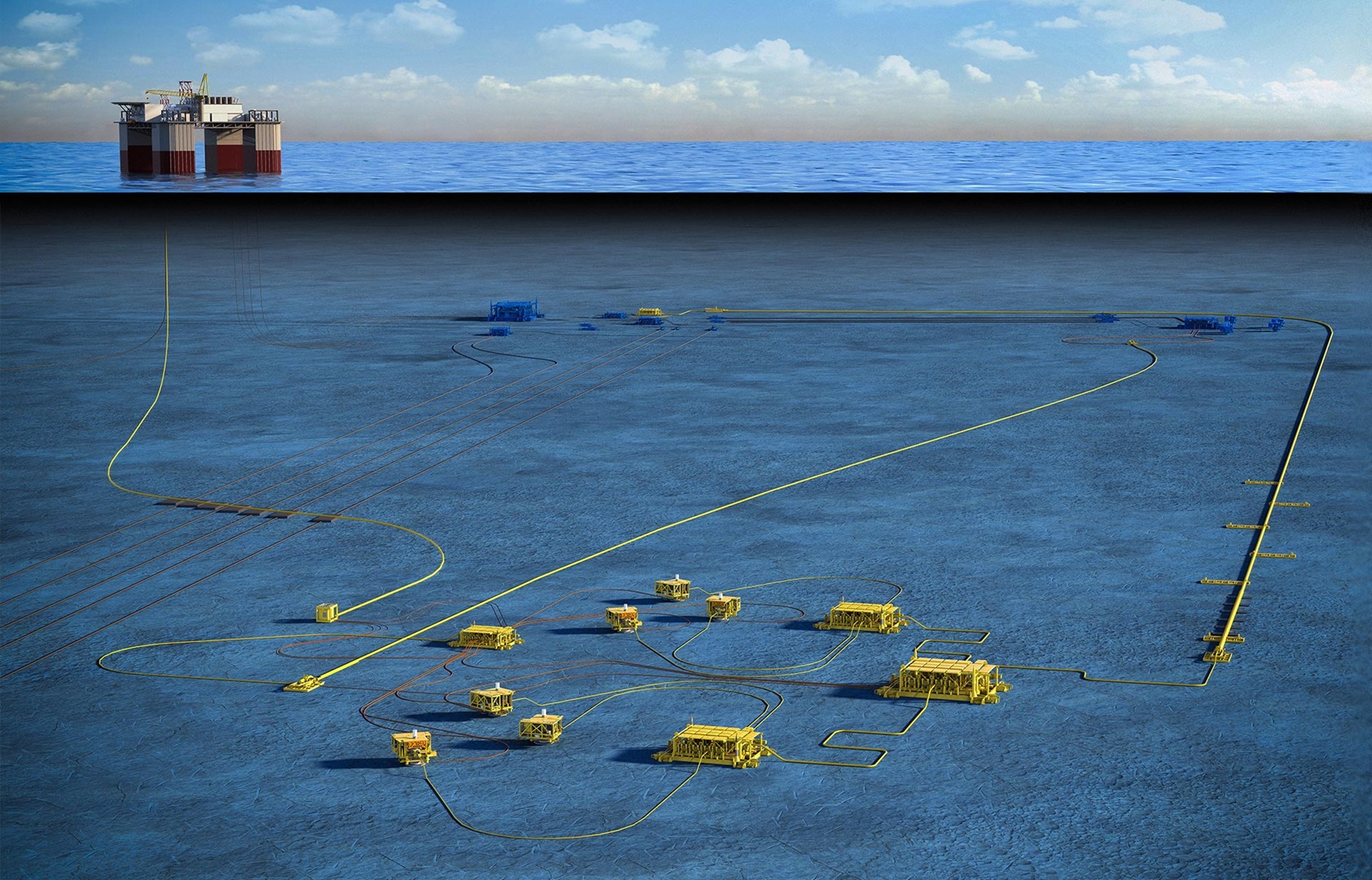
Six wells will be drilled in the two fields located about 100 kilometres northwest of Barrow Island in water depths of about 1300 metres.

The A$3 billion backfill development will connect the offshore Geryon and Eurytion natural gas fields in the Greater Gorgon Area to Gorgon’s existing subsea gas gathering infrastructure and processing facilities on Barrow Island.

Chevron Australia president Balaji Krishnamurthy said the development would maintain production at Gorgon, enabling the long-term supply of domestic gas for WA households and industry, and liquefied natural gas (LNG) for international customers in Asia.

“Gorgon is a world-class energy asset which plays a crucial role in supporting the economic development and energy security of millions of people in Australia and across the Asia Pacific region,” Krishnamurthy said.

“With the development of the Geryon and Eurytion fields – to join the existing Gorgon and Jansz-Io fields in providing gas supply for the processing facilities – we can continue providing the reliable energy the world needs, maintaining thousands of highly skilled jobs in Australia, supporting regional WA communities and contributing to government revenue.”

Part of the original development plan for Gorgon, Gorgon Stage 3 is the first in a series of planned subsea tiebacks.

The development involves the installation of three manifolds and a 35-kilometre production flowline among other associated infrastructure.

Six wells will be drilled in the two fields located about 100 kilometres northwest of Barrow Island in water depths of about 1300 metres.

“Gorgon Stage 3 is a cost-competitive development which will optimise existing infrastructure and complement the well-progressed Jansz-Io Compression Project and previously completed Gorgon Stage 2 infill development,” Krishnamurthy said.

Gorgon has the capacity to produce 300 terajoules per day of gas for the WA market and 15.6 million tonnes of LNG per year.

About Chevron Australia

Chevron is one of the world's leading integrated energy companies and through its Australian subsidiaries, has been present in Australia for more than 70 years. With the ingenuity and commitment of thousands of workers, Chevron Australia operates the Gorgon and Wheatstone natural gas facilities; manages its equal one-sixth interest in the North West Shelf Venture; progressing the decommissioning of Australia’s largest onshore oilfield on Barrow Island; and is a significant investor in exploration. Chevron Australia Downstream delivers quality fuels and lubricants primarily via its Caltex network of service stations across Australia.


Todd Cardy

Communications Advisor
Chevron Australia


CAUTIONARY STATEMENTS RELEVANT TO FORWARD-LOOKING INFORMATION FOR THE PURPOSE OF “SAFE HARBOR” PROVISIONS OF THE 
PRIVATE SECURITIES LITIGATION REFORM ACT OF 1995


This news release contains forward-looking statements relating to Chevron’s operations, assets and strategy that are based on management’s current expectations, estimates, and projections about the petroleum, chemicals, and other energy-related industries. Words or phrases such as “anticipates,” “expects,” “intends,” “plans,” “targets,” “advances,” “commits,” “drives,” “aims,” “forecasts,” “projects,” “believes,” “approaches,” “seeks,” “schedules,” “estimates,” “positions,” “pursues,” “progress,” “design,” “enable,” “may,” “can,” “could,” “should,” “will,” “budgets,” “outlook,” “trends,” “guidance,” “focus,” “on track,” “trajectory,” “goals,” “objectives,” “strategies,” “opportunities,” “poised,” “potential,” “ambitions,” “future,” “aspires” and similar expressions, and variations or negatives of these words, are intended to identify such forward-looking statements, but not all forward-looking statements include such words. These statements are not guarantees of future performance and are subject to numerous risks, uncertainties and other factors, many of which are beyond the company’s control and are difficult to predict. Therefore, actual outcomes and results may differ materially from what is expressed or forecasted in such forward-looking statements. The reader should not place undue reliance on these forward-looking statements, which speak only as of the date of this news release. Unless legally required, Chevron undertakes no obligation to update publicly any forward-looking statements, whether as a result of new information, future events or otherwise.


Among the important factors that could cause actual results to differ materially from those in the forwardlooking statements are: changing crude oil and natural gas prices and demand for the company’s products, and production curtailments due to market conditions; crude oil production quotas or other actions that might be imposed by the Organization of Petroleum Exporting Countries and other producing countries; technological advancements; changes to government policies in the countries in which the company operates; public health crises, such as pandemics and epidemics, and any related government policies and actions; disruptions in the company’s global supply chain, including supply chain constraints and escalation of the cost of goods and services; changing economic, regulatory and political environments in the various countries in which the company operates; general domestic and international economic, market and political conditions, including the conflict between Russia and Ukraine, the conflict in the Middle East and the global response to these hostilities; changing refining, marketing and chemicals margins; the company’s ability to realize anticipated cost savings and efficiencies associated with enterprise structural cost reduction initiatives; actions of competitors or regulators; timing of exploration expenses; changes in projected future cash flows; timing of crude oil liftings; uncertainties about the estimated quantities of crude oil, natural gas liquids and natural gas reserves; the competitiveness of alternate-energy sources or product substitutes; pace and scale of the development of large carbon capture and offset markets; the results of operations and financial condition of the company’s suppliers, vendors, partners and equity affiliates; the inability or failure of the company’s joint venture partners to fund their share of operations and development activities; the potential failure to achieve expected net production from existing and future crude oil and natural gas development projects; potential delays in the development, construction or start-up of planned projects; the potential disruption or interruption of the company’s operations due to war, accidents, political events, civil unrest, severe weather, cyber threats, terrorist acts, or other natural or human causes beyond the company’s control; the potential liability for remedial actions or assessments under existing or future environmental regulations and litigation; significant operational, investment or product changes undertaken or required by existing or future environmental statutes and regulations, including international agreements and national or regional legislation and regulatory measures related to greenhouse gas emissions and climate change; the potential liability resulting from pending or future litigation; the company’s ability to successfully integrate the operations of the company and Hess Corporation and achieve the anticipated benefits and projected synergies from the transaction; the company’s future acquisitions or dispositions of assets or shares or the delay or failure of such transactions to close based on required closing conditions; the potential for gains and losses from asset dispositions or impairments; government mandated sales, divestitures, recapitalizations, taxes and tax audits, tariffs, sanctions, changes in fiscal terms or restrictions on scope of company operations; foreign currency movements compared with the U.S. dollar; higher inflation and related impacts; material reductions in corporate liquidity and access to debt markets; changes to the company’s capital allocation strategies; the effects of changed accounting rules under generally accepted accounting principles promulgated by rulesetting bodies; the company’s ability to identify and mitigate the risks and hazards inherent in operating in the global energy industry; and the factors set forth under the heading “Risk Factors” on pages 20 through 27 of the company’s 2024 Annual Report on Form 10-K and in subsequent filings with the U.S. Securities and Exchange Commission. Other unpredictable or unknown factors not discussed in this news release could also have material adverse effects on forward-looking statements.